
Ecology, Conservation, and Management of Pinus kesiya
A Comprehensive Analysis of the Khasi Pine in Southeast Asia

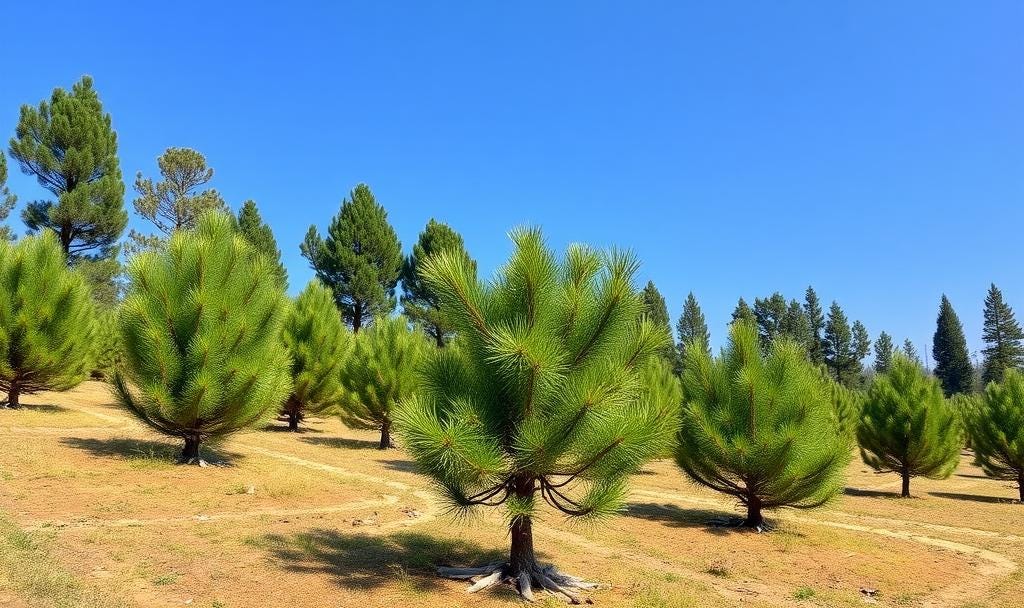
This comprehensive review synthesizes current knowledge on Pinus kesiya (Khasi pine), examining its ecological attributes, conservation status, and management challenges. Research findings reveal that P. kesiya serves as a keystone species in the forest ecosystems of Southeast Asia, particularly in the mountainous regions of India, Thailand, Philippines, and Vietnam. The species demonstrates remarkable adaptive strategies including recurrent flushing and short needle longevity, contributing to its success as an early successional species. Despite currently being classified as not threatened, P. kesiya faces significant challenges from climate change, habitat fragmentation, and anthropogenic pressures. Growth studies indicate optimal development occurs at 23.5/17.5°C with high humidity (80-90%), with peak relative growth rates observed during August-September. Conservation efforts must integrate traditional knowledge systems, particularly in sacred groves where the species has been protected for generations, with contemporary scientific approaches to ensure the sustainable management of this ecologically and economically valuable pine species across its natural range.
Introduction and Background
Taxonomic Position and Distribution
Pinus kesiya Royle ex Gordon, commonly known as Khasi pine or Benguet pine, belongs to the family Pinaceae and stands as one of the most widely distributed pine species throughout Asia. Its taxonomic classification places it within the genus Pinus, subgenus P. subg. Pinus, section P. sect. Pinus, and subsection P. subsect. Pinus[13]. The species has undergone significant taxonomic revisions over time, with variants previously classified as separate species (e.g., Pinus insularis) now generally considered conspecific with P. kesiya, though debates regarding proper description persist in some scientific circles[17]. Two primary varieties are recognized: the typical variety and var. langbianensis (A.Chev.) Gaussen ex N.-S.Bui, which co-occur throughout much of the species' range[8].
The natural distribution of P. kesiya spans a remarkably diverse geographic area, extending from the Khasi Hills in Meghalaya, northeastern India, through Myanmar, northern Thailand, Cambodia, Laos, southern China, Vietnam, and into the Philippines[13]. In the Philippines, where it is known as Benguet pine or "saleng" in Ilocano language, it dominates the Luzon tropical pine forests, particularly in the province of Benguet, leading to the city of Baguio earning the nickname "The City of Pines"[12][13]. Beyond its native range, P. kesiya has been extensively established as a plantation species across tropical and subtropical regions worldwide, with significant presence in southern Africa and South America, demonstrating its adaptability and economic importance in global forestry practices[3][8].
Ecological Significance
The ecological importance of Pinus kesiya extends far beyond its taxonomic interest and wide distribution. In Northeast India, particularly in the sacred groves of the West Khasi Hills in Meghalaya, P. kesiya often emerges as the dominant tree species[15]. These sacred groves, known locally as "Law Kyntang," "Law Lyngdoh," or "Law Niam," represent areas where traditional conservation practices have preserved natural vegetation for generations[15]. Within these protected enclaves, P. kesiya forms associations with other notable species such as Rhododendron arboreum and Lithocarpus dealbatus, contributing to unique forest communities of high conservation value[15].
P. kesiya fulfills multiple ecological functions within its native ecosystems. As a pioneer species with strong light-demanding characteristics, it plays a crucial role in forest succession dynamics, rapidly colonizing disturbed areas including those affected by fire or shifting cultivation practices[2]. This ecological trait has enabled the species to maintain and even expand its presence in certain regions despite anthropogenic disturbances. The species significantly contributes to soil stabilization on steep slopes, watershed protection in upland areas, and carbon sequestration in both natural and plantation forests[4][12].
In the context of the Benguet pine forest watershed in the Cordillera Region of Luzon, Philippines, P. kesiya forests provide numerous ecosystem services including water regulation for domestic use, agriculture, and hydroelectric power generation[12]. These forests serve as important catchment areas for rainwater, playing a vital role in maintaining the hydrological cycle of upland regions. The species' adaptation to mountainous terrain and its ability to thrive in relatively challenging environmental conditions further enhance its ecological significance in these regions[10].
Research Rationale and Objectives
Despite the ecological and economic importance of Pinus kesiya across its range, comprehensive studies synthesizing knowledge on its ecology, conservation status, and management challenges remain limited, particularly in the context of emerging threats like climate change. The increasing pressures on P. kesiya populations from various sources necessitate a thorough understanding of the species' biology, ecology, and response to environmental change to inform effective conservation and management strategies.
This paper aims to:
1. Synthesize existing knowledge on the ecology and distribution of P. kesiya across its native range, with particular focus on adaptation strategies and growth patterns
2. Evaluate the current conservation status of P. kesiya and identify key threats to its populations, including climate change impacts
3. Assess growth dynamics, regeneration patterns, and genetic diversity of the species
4. Examine traditional and contemporary management approaches, particularly in sacred groves and plantation forestry
5. Propose integrated strategies for sustainable conservation and management of P. kesiya across its range
The findings presented here will contribute to a more comprehensive understanding of this economically and ecologically important pine species, bridging knowledge gaps and informing conservation planning in the face of environmental change. By integrating information from various studies conducted across different regions, this review aims to provide a holistic perspective on P. kesiya that can guide future research and management efforts.
Materials and Methods
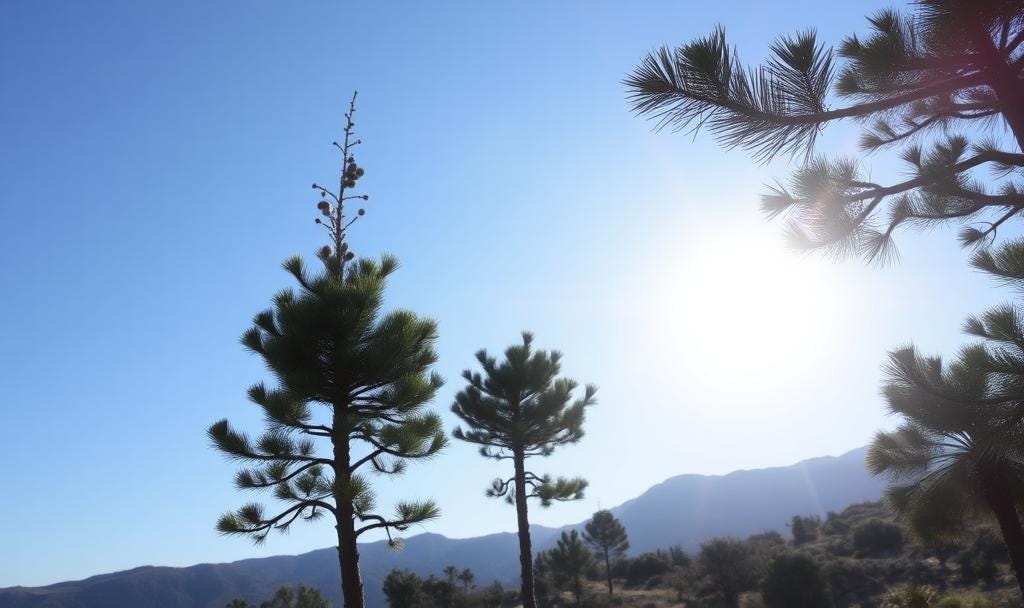
Literature Review and Data Collection
This comprehensive study employed a systematic literature review approach to collect and analyze information on Pinus kesiya from diverse sources. Primary and secondary literature sources were extensively examined, including peer-reviewed journal articles, IUCN Red List assessments, forestry reports, technical bulletins, and conservation studies published up to early 2025. Special emphasis was placed on literature focusing on P. kesiya in its native range, particularly Northeast India, Thailand, the Philippines, and Vietnam, which represent significant portions of its distribution.
The literature review process involved searching scientific databases using specific keywords related to P. kesiya, including its taxonomic synonyms, common names, and associated ecological terms. Sources were carefully selected to ensure a comprehensive coverage of the species' biology, ecology, conservation status, and management practices. The review focused on gathering information across six key domains:
1. Taxonomy, morphology, and systematic relationships
2. Geographic distribution, habitat preferences, and environmental requirements
3. Ecological relationships, community associations, and ecosystem functions
4. Growth patterns, physiology, and reproductive biology
5. Conservation status, threats, and vulnerability assessments
6. Management practices, utilization, and economic importance
Information from published studies was complemented with data from forestry databases, herbarium records, and conservation reports to provide a comprehensive overview of current knowledge on P. kesiya.
Study Area Characteristics
The primary geographic focus of this review encompasses the natural distribution range of Pinus kesiya across Southeast Asia, with particular emphasis on:
1. The Khasi Hills in Meghalaya state, Northeast India, characterized by mountainous terrain, subtropical climate, and high rainfall (exceeding 11,000 mm annually in some areas)[4]. Elevations in this region range from approximately 300 to 2,000 meters above sea level, creating diverse microclimatic conditions.
2. Northern Thailand, where P. kesiya populations occur primarily at elevations between 600 and 1,800 meters, in areas with mean annual temperatures of 14-23°C and annual rainfall of 700-2,200 mm[2][5].
3. The Cordillera Region of Luzon, Philippines, where Benguet pine (P. kesiya) forests occupy altitudes between 500 and 2,500 meters above sea level[12]. This region is characterized by unique terrain and vegetation that support important watershed functions.
4. Parts of Myanmar, Laos, Cambodia, Vietnam, and southern China, where P. kesiya occupies diverse habitats from highland areas to more moderate elevations[3][5].
Special attention was given to sacred groves in West Khasi Hills, including Law Lyngdoh Mawnai, Law Lyngdoh Nonglait, and Law Lyngdoh Mawlong[15]. These forest patches, preserved through traditional conservation practices, represent important repositories of biodiversity, including significant P. kesiya populations.
Growth and Development Assessment
Data on growth and development patterns of P. kesiya were analyzed from experimental and observational studies that examined various aspects of the species' life history. This included assessment of:
1. Seedling emergence, establishment, and early growth under different environmental conditions
2. Shoot growth patterns, including recurrent flushing behavior
3. Needle production, longevity, and senescence patterns
4. Relative growth rates during different seasons and under varying environmental conditions
5. Comparative growth performance with other tree species
6. Response to environmental factors such as temperature, humidity, and rainfall
The analysis identified optimal conditions for growth, including peak periods for relative growth rate, temperature ranges, humidity levels, and rainfall requirements[4]. These findings were contextualized within the broader framework of the species' adaptive strategies as an early successional species in tropical and subtropical environments.
Conservation Status Analysis
The conservation status of Pinus kesiya was evaluated based on multiple criteria, including:
1. The IUCN Red List assessment methodology, which considers factors such as population size, distribution range, habitat quality, and threats
2. Population dynamics and demographic trends across different regions
3. Habitat fragmentation and degradation patterns
4. Existing protection measures, including formal protected areas and traditional conservation practices
5. Current and projected threats, with particular focus on climate change impacts
Climate envelope modeling (CEM) studies were examined to assess potential shifts in P. kesiya distribution under climate change scenarios[3][5]. These models provided insights into areas where the species might face climate-induced stress or potential range expansion, informing discussions on conservation planning and adaptive management strategies.
Results
Morphological Characteristics
Pinus kesiya is a large evergreen conifer that typically reaches heights of 30-35 meters, characterized by a straight, cylindrical trunk with thick, dark brown bark marked by deep longitudinal fissures[13]. The branches are robust and red-brown from the second year, with horizontal to drooping branchlets creating a distinctive crown architecture. The tree exhibits morphological features that clearly place it within the subfamily Pinoideae and genus Pinus.
The needles of P. kesiya are a distinctive dark green, typically arranged in fascicles of three (hence the alternative name "three-needled pine"), measuring 15-20 centimeters in length[13]. The fascicle sheath is 1-2 cm long and persistent, distinguishing it from some other pine species where sheaths are deciduous. The needles show adaptations to the species' subtropical habitat, with features that help regulate water loss while maintaining photosynthetic efficiency.
The reproductive structures consist of ovoid cones measuring 5-9 cm in length, often curved downwards and sometimes slightly distorted[13]. The scales of second-year cones are densely arranged, with the umbo (the exposed portion of the scale) slightly convex and occasionally bearing a sharp spine. The scales exhibit both transverse and longitudinal features that assist in taxonomic identification. These morphological characteristics enable field identification and differentiation from other pine species in the region, though some variation may occur across the species' extensive geographic range.
Habitat and Ecological Associations
Pinus kesiya occupies a diverse range of habitats across its natural distribution, demonstrating considerable ecological amplitude. The species grows at elevations ranging from 300 to 3,000 meters above sea level, though it is most commonly found between 600 and 1,800 meters[2]. It thrives in areas with mean annual temperatures of 14-23°C, with mean maximum temperatures of the warmest month ranging from 20-37°C and mean minimum temperatures of the coldest month between 2-18°C[2]. Annual rainfall requirements typically range from 700 to 2,200 mm, with tolerance for a dry season lasting 1-7 months.
The species shows preference for well-drained, neutral to acidic soils but demonstrates adaptability to various soil types[2]. As a light-demanding pioneer species, P. kesiya readily colonizes areas disturbed by fire or degraded by shifting cultivation, playing an important role in ecological succession[2]. Its fire ecology is notable - while mature trees show some fire resistance, young trees are susceptible to fire damage during early growth stages.
In the West Khasi Hills of Meghalaya, P. kesiya often forms the dominant component of forest communities, particularly in sacred groves. These forest patches are characterized by high biodiversity levels and ecological importance, providing habitat for numerous endemic and rare plant species[15]. The species shows associations with other notable trees like Rhododendron arboreum and Lithocarpus dealbatus, contributing to the structural and functional aspects of these forest ecosystems.
In the Philippines, pure Benguet pine forests are found in the highlands of Northern Luzon, forming distinctive forest communities in the provinces of Benguet, Mt. Province, Abra, and Ifugao[12]. These forests occupy hill slopes and stream banks, where P. kesiya establishes and maintains populations, demonstrating adaptation to the subtropical climate of the region.
Growth Patterns and Regeneration
Studies on Pinus kesiya growth dynamics reveal fascinating adaptive strategies that contribute to its success as an early successional species. Research on three-year-old open-grown pine saplings demonstrated that P. kesiya exhibits a recurrent flushing pattern, with three whorls of shoots produced in one year[7]. This growth pattern enables rapid height gain, facilitating the species' role as a pioneer in disturbed environments.
The timing and pattern of shoot growth show specific relationships with seasonal environmental conditions. The peak period for relative growth rate has been recorded from August to September[4]. The species displays optimal growth under temperatures around 23.5/17.5°C (day/night), high humidity levels (80-90%), and moderate rainfall (approximately 400 mm)[4]. These conditions typically coincide with the monsoon period in many parts of its range.
Comparative studies with other tree species like Schima khasiana reveal distinctive growth responses to environmental conditions. P. kesiya demonstrates earlier initial seedling growth, though S. khasiana shows earlier emergence[4]. In P. kesiya, shoot length increases up to July and August, while in S. khasiana, it continues increasing until September, highlighting species-specific growth responses to seasonal patterns[4].
The needle longevity patterns of P. kesiya represent another adaptive strategy. Studies indicate that P. kesiya needles have a shorter life expectancy compared to many other pine species, with life expectancy values calculated at 314, 245, and 275 days for different flushes[4]. This shorter longevity may be viewed as an adaptation to existing climate conditions, particularly the relatively dry period prevailing during February, March, and April. By shedding needles during this period, the tree reduces transpiration loss when soil moisture is limited.
Reproduction in P. kesiya follows patterns typical of pine species. In Sumatra, ripe seeds are produced most abundantly between July and November, though viable seeds are produced throughout the year[17]. The 1000-seed weight is typically 14-20 g, and seeds can be stored for several years under dry, cool, and airtight conditions[17]. Germination rates for fresh seed reach approximately 95%, usually occurring within 8-20 days. Mycorrhizal associations are necessary for optimal seedling growth, making inoculation with spores or soil from established stands an important practice in nursery operations[2].
Conservation Status and Threats
While Pinus kesiya is not currently listed as a threatened species by the IUCN, it faces various pressures across its range that may affect its future status. The primary threats include:
1. Climate change impacts: Climate envelope modeling studies predict shifts in suitable habitats for P. kesiya under climate change scenarios[3][5]. While few new areas in mainland Southeast Asia are expected to become suitable for the species, existing populations, particularly those at lower elevations, may face increased stress from rising temperatures. Provenances in China have demonstrated ability to adapt to new climatic conditions when established outside their natural range, suggesting some adaptive capacity within the species[5].
2. Deforestation and habitat fragmentation: Despite its ability to colonize disturbed areas, P. kesiya faces threats from large-scale deforestation and habitat fragmentation across its range[3]. The conversion of pine forests to other land uses reduces the overall area of suitable habitat and creates isolated populations with limited gene flow.
3. Unsustainable harvest practices: In many areas, unsustainable resin-tapping and fuelwood collection degrade P. kesiya stands[3]. While the species can be sustainably tapped for resin, improper techniques and excessive harvesting impact tree health and forest integrity.
4. Pests and diseases: P. kesiya is susceptible to various pests and diseases, including Dothistroma needle blight (Mycosphaerella pini), Armillaria mellea, and insect pests like the pine woolly aphid (Pineus pini)[2]. These threats can cause significant damage to natural stands and plantations, particularly when trees are already stressed by other factors.
5. Loss of traditional conservation practices: In areas where P. kesiya has been traditionally protected in sacred groves, the erosion of cultural beliefs and practices threatens this protection mechanism[6][15]. The shift from traditional worship to Christianity in some communities has contributed to reduced faith in sacred groves, leading to their degradation or disappearance in some areas.
The conservation challenges facing P. kesiya are compounded by the species' economic importance, which creates pressure for utilization, and the complex social and cultural factors that influence conservation efforts in different regions. While the species currently maintains a relatively wide distribution and demonstrates adaptability to various conditions, targeted conservation measures are needed to address these emerging threats.
Discussion
Ecological Importance and Conservation Implications
The findings of this review underscore the ecological significance of Pinus kesiya in the forest ecosystems of Southeast Asia. As a dominant tree species in certain sacred groves and natural forests, P. kesiya contributes substantially to ecosystem structure and function across its range[6][15]. The protection of P. kesiya populations through traditional conservation practices in sacred groves represents a valuable example of indigenous knowledge systems supporting biodiversity conservation, highlighting the importance of integrating cultural perspectives into conservation planning.
The ecological role of P. kesiya as a pioneer species in disturbed environments has important implications for forest restoration and rehabilitation efforts[2]. Its ability to colonize degraded areas and establish on relatively poor soils makes it valuable for reforestation programs aimed at reversing land degradation and restoring ecosystem services. However, this characteristic also raises concerns about potential invasiveness when introduced outside its natural range, necessitating careful consideration in plantation forestry and restoration initiatives[2].
The relationship between P. kesiya and fire ecology merits particular attention in conservation planning. While mature trees show some fire resistance, young trees are vulnerable to fire damage[2]. This dynamic influences regeneration patterns and population structure, particularly in areas where fire frequency or intensity is changing due to climate change or human activities. Fire management strategies that consider the ecological requirements of P. kesiya may be necessary to maintain healthy populations in fire-prone landscapes.
Growth Dynamics and Management Strategies
The growth patterns of Pinus kesiya revealed through experimental studies provide valuable insights for forest management and restoration initiatives[4][7]. The recurrent flushing pattern, with three whorls of shoots produced annually, represents an adaptive strategy that enables rapid height growth and efficient resource utilization. This characteristic, combined with the species' light-demanding nature, informs silvicultural practices aimed at optimizing growth and timber production.
The identification of optimal growth conditions (temperatures around 23.5/17.5°C, high humidity, and moderate rainfall) has practical applications for nursery operations and plantation establishment[4]. The synchronization of planting activities with seasonal patterns, particularly the monsoon period when growth conditions are most favorable, can enhance establishment success and early growth performance. The observed differences in growth responses between P. kesiya and other tree species like Schima khasiana underscore the importance of species-specific approaches in mixed-species plantations and forest restoration projects[4].
The needle longevity patterns of P. kesiya represent another management consideration. The relatively short life span of needles (245-314 days) and their seasonal shedding pattern, with maximum fall occurring during February-April, influence nutrient cycling in P. kesiya forests[4]. This characteristic contributes to the species' adaptation to seasonal drought and its success on nutrient-poor substrates. Management practices that consider these natural cycles can support sustainable productivity in both natural stands and plantations.
In plantation forestry, P. kesiya has demonstrated value at elevations between 800-1,200 meters in tropical Africa, with mean annual increments of 10-30 m³/ha and maximum annual increments reaching 40 m³/ha at age 18 on good sites in Zambia[2]. However, its comparative advantage varies with elevation - below 800 m, Pinus caribaea and P. oocarpa generally provide higher yields, while above 1,200 m, P. patula often outperforms P. kesiya[2]. These patterns inform species selection decisions in commercial forestry operations.
Climate Change Adaptation and Range Shifts
The potential impacts of climate change on Pinus kesiya distribution and growth represent a significant conservation concern. Climate envelope modeling studies suggest that while few new areas in mainland Southeast Asia may become suitable for the species, existing populations could face increased stress from rising temperatures, particularly those at lower elevations[3][5]. The projected impacts vary across the species' range, with lowland provenances in eastern Thailand and northern Cambodia identified as particularly vulnerable to temperature increases that may exceed the species' tolerance thresholds[5].
The implications of these projected range shifts extend beyond the immediate conservation of P. kesiya to broader questions of ecosystem resilience and adaptive management. Protected areas with fixed boundaries may become less effective if suitable habitats for P. kesiya shift beyond their limits, suggesting the need for dynamic conservation approaches that can accommodate changing species distributions. Conservation strategies might include:
1. Establishing ecological corridors to facilitate natural migration in response to climate change
2. Expanding protected area networks to include potential future habitats identified through modeling
3. Implementing assisted migration programs where natural dispersal is constrained by landscape fragmentation
4. Conserving genetic diversity across the species' range to maintain adaptive potential
The provenance trials of P. kesiya established outside its natural range provide valuable insights into the species' adaptive capacity. Studies in southeastern Africa and Vietnam have shown moderate performance of Chinese provenances in new climatic conditions, suggesting some ability to adapt to environmental change[5]. This adaptive capacity represents an important consideration in conservation planning, though it should not diminish the urgency of addressing climate threats.
Cultural Dimensions and Traditional Knowledge
The cultural significance of Pinus kesiya, particularly in the context of sacred groves in Northeast India, highlights the interconnection between cultural practices and biodiversity conservation[6][15]. These sacred groves, protected through traditional beliefs and taboos, have served as repositories of biodiversity and ecological knowledge for generations. The designation of forest areas as sacred and their dedication to deities has effectively restricted activities like grazing, hunting, and wood harvesting, preserving natural forest structure and composition.
However, the erosion of traditional beliefs and practices poses a significant threat to this cultural-ecological relationship. The shift from traditional worship to Christianity in some communities has led to diminished faith in sacred groves, contributing to their degradation or disappearance in certain areas[6][15]. This cultural dimension of conservation challenges necessitates approaches that respect and integrate traditional knowledge systems while addressing contemporary realities.
The experience of sacred groves offers valuable lessons for broader conservation efforts. The strong community control over forests, the role of cultural taboos in enforcing protection, and the spiritual connection to natural resources demonstrate alternative pathways to conservation that complement formal protected area systems. Conservation programs that acknowledge and support these cultural dimensions may achieve greater community acceptance and long-term sustainability.
Economic Importance and Sustainable Utilization
The economic significance of Pinus kesiya across its range stems from its multiple uses and products. The wood is utilized for construction, boxes, flooring, ceilings, paneling, joinery, furniture, poles, and mine props[2]. It is also suitable for ship and boat building, agricultural implements, veneer, plywood, and railway sleepers[2]. In the pulp and paper industry, P. kesiya serves as a valuable raw material, while its use in particle board production is also significant.
Beyond timber, P. kesiya yields high-quality oleoresin that is distilled to produce turpentine and rosin[2]. Turpentine finds applications in the paint industry, while rosin is used in paper, soap, and glue production. In many rural communities, the tree also serves as a source of fuelwood and charcoal, contributing to local energy needs[2].
The diverse economic uses of P. kesiya create both opportunities and challenges for conservation. On one hand, the species' economic value provides incentives for sustainable management and reforestation efforts. On the other hand, it may lead to overexploitation if harvest rates exceed sustainable levels. Balancing economic utilization with conservation objectives requires:
1. Developing and implementing sustainable harvest guidelines for both timber and non-timber products
2. Promoting value-added processing to maximize economic returns while minimizing resource extraction
3. Exploring certification systems that reward sustainable management practices
4. Supporting community-based enterprise development that aligns economic benefits with conservation goals
In the context of agroforestry systems, P. kesiya has demonstrated potential for integration with agricultural practices. In the Philippines, it is recommended as a shade tree for coffee plantations, planted at 3 m x 3 m spacing, with coffee introduced after 5-7 years when the pines have reached at least 4 m in height[17]. Another viable system involves raising goats in P. kesiya forests at a stocking rate of 4 goats/ha[17]. These integrated approaches can provide economic returns while maintaining forest cover and ecological functions.
Limitations and Future Research Directions
This review identifies several knowledge gaps and research needs that warrant further investigation:
1. Long-term monitoring studies: Comprehensive, long-term studies on P. kesiya populations are needed to better understand demographic trends and responses to environmental changes, particularly climate change impacts.
2. Genetic diversity studies: More extensive research on genetic diversity patterns within and among P. kesiya populations would inform conservation strategies aimed at preserving evolutionary potential and adaptive capacity.
3. Ecological interactions: Detailed investigations of the ecological relationships between P. kesiya and associated species, including mycorrhizal associations, understory vegetation, and wildlife interactions, would enhance understanding of its ecosystem functions.
4. Climate adaptation mechanisms: Research on the physiological and genetic mechanisms underlying P. kesiya's adaptation to different environmental conditions would provide insights into its potential resilience to climate change.
5. Sustainable management practices: Development and evaluation of sustainable management approaches for both natural stands and plantations, including optimal harvesting techniques for timber and resin, would support the species' conservation while meeting economic needs.
6. Cultural-ecological relationships: Interdisciplinary research exploring the connections between cultural practices, traditional knowledge, and P. kesiya conservation would inform more holistic and socially acceptable conservation strategies.
Addressing these research priorities would contribute to a more comprehensive understanding of P. kesiya and inform more effective conservation and management strategies for this important pine species in Southeast Asia and beyond.
Conclusion
Pinus kesiya represents an ecologically and economically significant tree species across Southeast Asia, with particular importance in the highland regions of India, Thailand, the Philippines, Vietnam, and neighboring countries. Its presence in sacred groves of Northeast India highlights the intersection of cultural practices and biodiversity conservation, demonstrating how traditional knowledge systems have contributed to forest preservation over generations.
The species exhibits remarkable adaptive strategies, including recurrent flushing growth patterns and relatively short needle longevity, which contribute to its success as a pioneer species in disturbed environments. These characteristics, combined with its ability to thrive on relatively poor soils and tolerate seasonal drought, have enabled P. kesiya to maintain and even expand its presence in certain regions despite anthropogenic disturbances.
While P. kesiya is not currently classified as threatened, it faces mounting pressures from climate change, habitat fragmentation, unsustainable harvesting practices, and the erosion of traditional conservation systems. Climate modeling studies suggest that some populations, particularly those at lower elevations, may face increased stress from rising temperatures that could exceed the species' tolerance thresholds. These challenges necessitate proactive conservation planning that integrates ecological understanding with cultural and economic considerations.
The economic importance of P. kesiya, derived from its multiple uses for timber, pulp, resin, and fuelwood, creates both opportunities and challenges for conservation. Sustainable management approaches that balance utilization with conservation objectives are essential for maintaining the species' ecological functions while meeting human needs. Agroforestry systems integrating P. kesiya with crops like coffee or livestock production represent promising models for achieving this balance.
Conservation strategies for P. kesiya should combine traditional and contemporary approaches, engaging local communities while addressing emerging challenges. This may include strengthening the protection of sacred groves, implementing sustainable forest management practices, establishing ex situ conservation programs, and developing adaptive strategies to mitigate climate change impacts. The experiences from different regions where P. kesiya occurs offer valuable lessons that can inform a more comprehensive and effective conservation framework.
Future research should address key knowledge gaps related to long-term population dynamics, genetic diversity patterns, climate adaptation mechanisms, and sustainable management practices. Such research would contribute to a more nuanced understanding of P. kesiya and support evidence-based conservation planning in the face of environmental change. By integrating ecological science with traditional knowledge and socio-economic considerations, conservation efforts can better ensure the persistence of this valuable pine species for future generations.
Citations:
[1]
[2] https://prota.prota4u.org/protav8.asp?g=pe&p=Pinus+kesiya
[3] https://www.fao.org/4/i0670e/i0670e05.htm
[4] https://www.ias.ac.in/public/Volumes/plnt/096/01/0025-0036.pdf
[5] https://www.fao.org/4/i0670e/i0670e05.pdf
[6] https://www.downtoearth.org.in/environment/the-spirit-of-the-sanctuary-29329
[7] https://www.ias.ac.in/describe/article/plnt/096/01/0025-0036
[8] https://www.cabidigitallibrary.org/doi/full/10.1079/cabicompendium.41632
[9] https://jpsonline.co.in/index.php/jop/article/download/28/25
[10] https://www.mkscienceset.com/articles_file/883-_article1732792270.pdf
[11] https://pubmed.ncbi.nlm.nih.gov/24166268/
[12] https://www.fao.org/4/XII/0805-B1.htm
[13] https://en.wikipedia.org/wiki/Pinus_kesiya
[14] http://admin.indiaenvironmentportal.org.in/files/tropical%20pines%20in%20Southeast%20Asia.pdf
[15] https://www.cwejournal.org/vol3no3/pecological-attributes-of-sacred-groves-in-west-khasi-hills-meghalaya-indiap
[16] https://www.frim.gov.my/v1/JTFSOnline/jtfs/v4n1/37-44.pdf
[17] https://apps.worldagroforestry.org/treedb/AFTPDFS/Pinus_kesiya.PDF
[18] https://www.sciencedirect.com/science/article/abs/pii/S0378112708002053
[19] https://www.sciencedirect.com/science/article/abs/pii/S037811279700203X
[20] https://www.jpsonline.co.in/index.php/jop/article/view/28
[21] https://tropical.theferns.info/viewtropical.php?id=Pinus+kesiya
[22] https://www.e3s-conferences.org/articles/e3sconf/abs/2019/57/e3sconf_chinabiofilms18_01124/e3sconf_chinabiofilms18_01124.html
[23] https://www.mdpi.com/1999-4907/15/2/349
[24] https://wgbis.ces.iisc.ac.in/biodiversity/sahyadri_enews/newsletter/issue42/bibliography/Tree-diversity-in-sacred-groves-of-the-Jaintia-hills-in-Meghalaya.PDF
[25] https://ontosight.ai/glossary/term/introduction-to-pinus-kesiya-species--67a1aef46c3593987a5a0e4f
[26] https://www.sciencedirect.com/science/article/abs/pii/S0168192322001009
[27] https://nopr.niscpr.res.in/bitstream/123456789/3018/1/IJBT%206(2)%20262-266.pdf
[28] https://www.saspublishers.com/article/9868/download/
[29] https://www.keybiodiversityareas.org/site/factsheet/18284
[30] https://helda.helsinki.fi/bitstreams/430b84c9-0c43-48ec-9b45-feed3ef9d123/download
[31] https://www.iucnredlist.org/species/pdf/2975925
[32] https://www.mdpi.com/1999-4907/10/10/899
[33] https://www.inaturalist.org/taxa/135814-Pinus-kesiya
[34] https://www.mdpi.com/1999-4907/7/7/135
[35] https://www.sciencedirect.com/topics/agricultural-and-biological-sciences/pinus-kesiya
[36] https://analyticalsciencejournals.onlinelibrary.wiley.com/doi/abs/10.1002/jctb.7537
[37] https://www.semanticscholar.org/paper/Adaptive-growth-strategy-of-Khasi-pine-(Pinus-Royle-Das-Ramakrishnan/5eef459bd601e625003bd8e13715960cc7b8de30
[38] https://www.jstor.org/stable/3673775
[39] https://www.jstor.org/stable/42605078
[40] https://www.nature.com/articles/s41598-018-20165-y
[41] https://www.mdpi.com/1424-2818/16/11/665
[42] https://www.jstor.org/stable/43594407
[43] https://www.sciencedirect.com/science/article/abs/pii/S1125786523000206